Can Dogs Eat Shrimp Shells? Important Considerations for Pet Owners
When it comes to shrimp, many pet owners wonder if dogs can safely consume shrimp shells. In general, while shrimp meat is safe for dogs in moderation, the shells can pose risks. The shells are tough and can be difficult for dogs to digest, potentially leading to gastrointestinal issues.
Disclosure: As an Amazon Associate I earn from qualifying purchases.

- Peeled & Deveined Shrimp
- Gulf Shrimp
Additionally, shrimp shells can be a choking hazard, especially for smaller breeds. It’s essential to weigh these risks before deciding to share any shrimp shells with your furry friend.
Why This Matters
Understanding whether dogs can eat shrimp shells is crucial for their health and safety. Many pet owners enjoy sharing their meals with their dogs, and shrimp is a popular seafood choice. However, the nutritional needs and digestive capabilities of dogs differ significantly from those of humans.
By knowing the implications of feeding shrimp shells, you can make informed choices that support your dog’s well-being. This knowledge can prevent potential health issues and enhance your pet’s diet with safe and nutritious options.
Key Benefits
There are some benefits to including shrimp in your dog’s diet, primarily when the meat is served without the shell. Shrimp is a good source of protein and contains essential nutrients like omega-3 fatty acids, vitamin B12, and selenium. These nutrients can contribute to a dog’s overall health, supporting their skin, coat, and immune system.
If you choose to serve shrimp, prepare it in a way that maximizes its benefits while ensuring it is safe for your dog. For instance, opting for Jumbo Gulf Shrimp allows for versatile preparations, which can be steamed, sautéed, or grilled with dog-friendly seasonings.
Common Drawbacks & Limitations
- Peeled & Deveined Shrimp
- Gulf Shrimp
While shrimp meat is generally safe, shrimp shells can lead to various complications. The hard, fibrous nature of the shells makes them difficult to digest and can potentially cause blockages in the digestive tract. This is especially concerning for dogs with pre-existing digestive issues or those prone to choking.
Furthermore, shrimp shells may contain harmful bacteria if not cooked properly, increasing the risk of foodborne illness. Therefore, it is crucial to avoid feeding your dog shrimp shells and to always ensure that any shrimp served is cooked and prepared safely.
What to Look For (Buyer’s Checklist)
If you decide to incorporate shrimp into your dog’s diet, here are some key factors to consider:
- Choose high-quality shrimp, preferably wild-caught, to ensure freshness and minimize chemical exposure.
- Ensure the shrimp is cooked thoroughly to kill any harmful bacteria.
- Remove the shell before serving to prevent choking hazards and digestive issues.
- Monitor your dog for any adverse reactions when introducing shrimp for the first time.
- Consult with your veterinarian before making significant changes to your dog’s diet.
How to Choose for Your Situation
When considering shrimp for your dog, it’s essential to assess their individual health needs and dietary restrictions. For dogs with allergies or sensitivities to seafood, it’s best to avoid shrimp altogether. Additionally, consult your veterinarian if your dog has a history of pancreatitis, as shrimp is high in cholesterol and may exacerbate this condition.
For those dogs that can safely enjoy shrimp, consider the cooking method. Steaming or grilling without added seasonings or sauces ensures that the shrimp remains a healthy treat. Always start with small amounts and observe your dog’s reaction before making shrimp a regular part of their diet.
Care, Safety, and Longevity Tips
To safely incorporate shrimp into your dog’s diet, follow these guidelines:
- Always cook shrimp before serving to eliminate harmful bacteria.
- Remove the shells, tails, and any seasoning before offering shrimp to your dog.
- Introduce shrimp gradually and in moderation to monitor for any adverse reactions.
- Store any leftover shrimp in the refrigerator and use it within a couple of days to ensure freshness.
- Consult your veterinarian regularly to ensure your dog’s diet remains balanced and healthy.
Recommended Picks
For pet owners looking to add shrimp to their dog’s diet, Jumbo Gulf Shrimp is an excellent option. These shrimp are shell and tail-on, offering versatile preparation methods that can suit both dog and owner preferences. Cooking them steamed or grilled ensures that you can serve your dog a delicious treat without the shell.
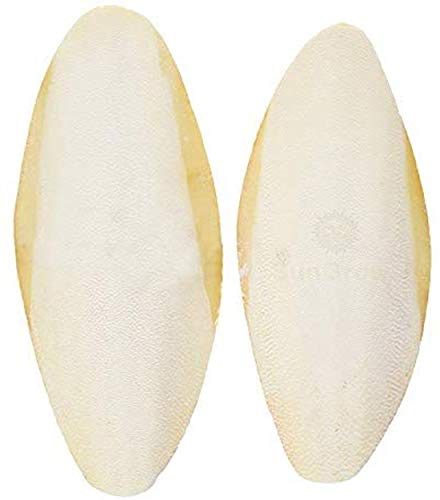
For an alternative source of calcium, consider SunGrow Cuttlefish Bones, which can be beneficial for dogs and other pets. While not directly related to shrimp, these cuttlebones offer a nutritious supplement that supports overall health.
FAQ
- Can dogs eat cooked shrimp without the shell? Yes, cooked shrimp without the shell is safe for dogs in moderation.
- What should I do if my dog eats shrimp shells? Monitor your dog for any signs of distress, such as vomiting or choking, and consult your veterinarian if symptoms occur.
- Are there any alternatives to shrimp for dogs? Yes, other seafood options like salmon or whitefish can provide similar nutritional benefits.
- How often can I feed my dog shrimp? Shrimp should be an occasional treat, not a regular part of their diet, to avoid potential digestive issues.
- What signs indicate my dog has an allergy to shrimp? Symptoms may include itching, swelling, gastrointestinal upset, or difficulty breathing. If you notice these signs, discontinue feeding shrimp and consult your veterinarian.

- For Stronger Exoskeleton Of Turtles And Snails — Both, the marine turtles and the fres…
- Even Fish And Shrimps Like These — After getting waterlogged, our calcium-rich product…
- For Stronger Beaks –– This 2-piece pack of Cuttlebones improves the companion parrot’s …
Conclusion
In conclusion, while shrimp can be a healthy snack for dogs, shrimp shells should be avoided due to their potential health risks. Always prioritize your dog’s safety by serving shrimp without the shell and consulting with your veterinarian regarding any dietary changes. By following these guidelines, you can safely share the joy of seafood with your furry companion.
Popular Picks to Compare
- Peeled & Deveined Shrimp
- Gulf Shrimp
- For Stronger Exoskeleton Of Turtles And Snails — Both, the marine turtles and the fres…
- Even Fish And Shrimps Like These — After getting waterlogged, our calcium-rich product…
- For Stronger Beaks –– This 2-piece pack of Cuttlebones improves the companion parrot’s …