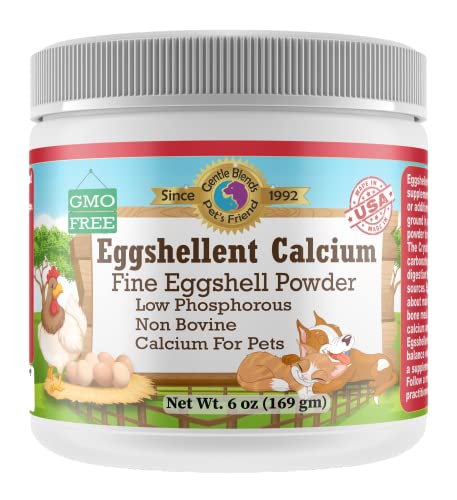
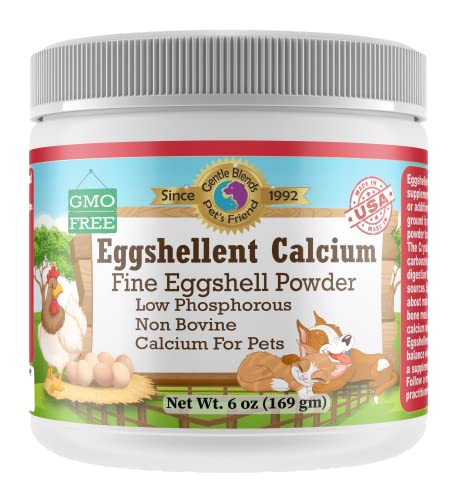
A Comprehensive Guide to Feeding Egg Shells to Dogs
Eggshells can be a nutritious addition to your dog’s diet, providing a natural source of calcium. However, it is essential to understand how many eggshells are safe for your dog to consume to avoid any potential health issues.
Disclosure: As an Amazon Associate I earn from qualifying purchases.

Generally, a small dog can safely eat about half a crushed eggshell per week, while larger dogs may handle one full eggshell without any problems. Always consult your veterinarian before introducing new foods into your dog’s diet, especially if they have pre-existing health conditions.
Why This Matters
Understanding how many eggshells dogs can eat is crucial for maintaining their health. Eggshells are rich in calcium, which is vital for bone health and other physiological functions. However, overconsumption can lead to health issues, such as hypercalcemia, which can cause serious complications.
Moreover, many dog owners may not realize that eggshells should be prepared properly before feeding them to dogs. Improperly handled eggshells can pose a risk of bacterial contamination, which can lead to gastrointestinal distress in dogs.
Key Benefits
One of the primary benefits of feeding eggshells to dogs is the high calcium content. Calcium is essential for strong bones, teeth, and overall health. Additionally, eggshells contain trace minerals that can contribute to your dog’s nutritional needs.
Incorporating eggshells into your dog’s diet can also be a sustainable practice. Using eggshells that would otherwise be discarded reduces waste and provides a natural supplement to your dog’s meals. Furthermore, many dog owners find that their pets enjoy the texture and taste of crushed eggshells mixed into their food.
Common Drawbacks & Limitations
While eggshells offer numerous benefits, there are some drawbacks to consider. Some dogs may have difficulty digesting eggshells, particularly if they are not properly crushed into a fine powder. Large pieces can cause choking or gastrointestinal blockages.
Additionally, introducing eggshells into your dog’s diet must be done gradually. Sudden changes in diet can upset your dog’s stomach, leading to diarrhea or vomiting. Always monitor your dog for any adverse reactions when introducing new foods.
What to Look For (Buyer’s Checklist)
When considering adding eggshells to your dog’s diet, keep the following checklist in mind:
- Source: Ensure the eggshells come from clean, organic eggs to minimize the risk of contamination.
- Preparation: Choose eggshells that are thoroughly cleaned and dried, and crushed into a fine powder.
- Consultation: Always consult with your veterinarian before making dietary changes.
- Monitoring: Keep an eye on your dog’s reaction to the new addition in their diet.
- Serving Size: Follow recommended serving sizes based on your dog’s weight and size.
How to Choose for Your Situation
Choosing to feed eggshells to your dog depends on several factors, including their size, age, and dietary needs. For smaller breeds, it’s best to start with a very small amount and gradually increase as needed while monitoring for any adverse reactions.
For larger dogs, consider incorporating eggshells into homemade meals or treats, as suggested in resources like “Home Cooking for Your Dog: 75 Holistic Recipes for a Healthier Dog.” This way, you can ensure they receive a balanced diet while benefiting from the additional calcium.
Care, Safety, and Longevity Tips
To ensure the safe consumption of eggshells, always wash the shells thoroughly and bake them at a low temperature to kill any bacteria. Once cooled, crush them into a fine powder to make them easier for your dog to digest.
Store crushed eggshells in an airtight container in a cool, dry place to maintain freshness. Be cautious not to overfeed your dog with eggshells; moderation is key to avoiding health issues associated with excess calcium.
Recommended Picks
When looking for ways to incorporate eggshells into your dog’s diet, consider holistic recipe books like “Home Cooking for Your Dog: 75 Holistic Recipes for a Healthier Dog” or “Feed Your Best Friend Better: Easy, Nutritious Meals and Treats for Dogs.” These resources often provide guidance on how to balance eggshells with other healthy ingredients, ensuring your dog receives a well-rounded diet.
FAQ
How often can I feed my dog eggshells?
You can feed your dog eggshells once a week, adjusting the amount based on their size and dietary needs.
Can puppies eat eggshells?
Puppies can eat eggshells, but it’s essential to consult with your veterinarian to determine the right amount based on their growth stage.
What are the signs of eggshell intolerance in dogs?
Signs of intolerance may include vomiting, diarrhea, or signs of discomfort after consuming eggshells. If you notice these symptoms, discontinue feeding them and consult a vet.
Can I feed my dog raw eggshells?
While some dog owners do feed raw eggshells, it is safer to bake them first to eliminate any potential bacteria.
Are there any alternatives to eggshells for calcium?
Yes, alternatives include bone meal, fish meal, and certain leafy greens. Always ensure these are appropriate for your dog’s diet.

Conclusion
Feeding eggshells to dogs can be beneficial, provided it is done safely and in moderation. Understanding how many eggshells are appropriate for your dog is crucial to avoid any negative health effects. Always consult with your veterinarian before introducing new foods and monitor your dog’s response to ensure they thrive on their diet.