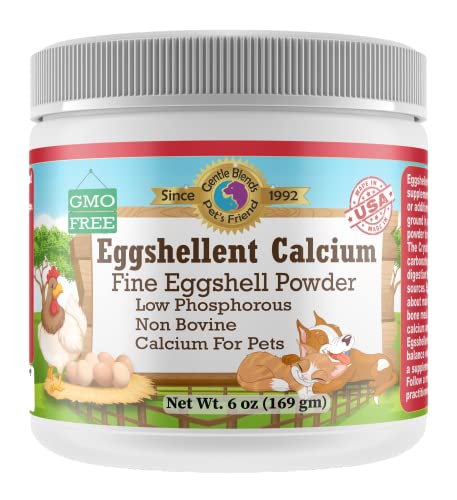
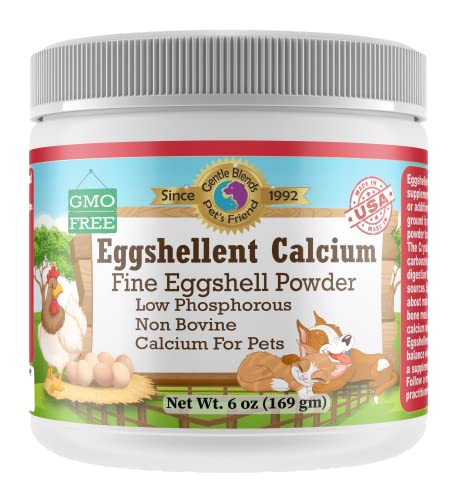
How to add eggshells to homemade dog food for better nutrition
Incorporating eggshells into your dog’s homemade meals can significantly boost their nutritional value. Eggshells are a rich source of calcium, which is essential for strong bones and overall health. In this guide, we’ll walk you through the process of adding eggshells to your dog’s diet safely and effectively. Additionally, we will cover some important safety notes to ensure your furry friend enjoys the benefits without any risks.
Disclosure: As an Amazon Associate I earn from qualifying purchases.

What You’ll Need
Before you start, gather the following items:
- Eggshells (from hard-boiled eggs or raw eggs)
- Oven or dehydrator (for sterilizing)
- Blender or coffee grinder (for powdering)
- Measuring spoon or scale (for accuracy)
- Homemade dog food (your chosen recipe)
- Storage container (for the eggshell powder)
Step-by-Step
- Collect and Clean the Eggshells: After using eggs, rinse the shells thoroughly to remove any egg residue. This step is crucial to avoid bacterial contamination.
- Sterilize the Eggshells: Preheat your oven to 250°F (120°C). Spread the cleaned eggshells on a baking sheet and bake them for about 10 minutes. This process will kill any harmful bacteria.
- Cool Down: Allow the eggshells to cool completely after baking. This will make them easier to grind and safer to handle.
- Grind the Eggshells: Use a blender or coffee grinder to finely powder the cooled eggshells. The texture should be similar to that of flour to ensure easy mixing into your dog’s food.
- Measure the Powder: Depending on your dog’s size, measure out the appropriate amount of eggshell powder. A general guideline is about 1/2 teaspoon per 10 pounds of body weight, but consult your vet for personalized recommendations.
- Add to Dog Food: Mix the measured eggshell powder into your homemade dog food thoroughly. Ensure it is evenly distributed to provide consistent calcium intake.
- Store Leftover Powder: Place any unused eggshell powder in an airtight container and store it in a cool, dry place. This will keep it fresh for future use.
- Monitor Your Dog: After introducing eggshells to your dog’s diet, keep an eye on their health and digestion. Adjust the amount if necessary, and consult your veterinarian with any concerns.
Pro Tips for Better Results
To maximize the benefits of adding eggshells to your dog’s diet, consider the following tips:
- Start with small amounts to allow your dog’s digestive system to adjust.
- Combine eggshells with other calcium sources, such as leafy greens or fish, for a balanced diet.
- Use eggshells from organic eggs whenever possible to avoid exposure to pesticides and chemicals.
- Rotate different homemade dog food recipes to provide variety and meet your dog’s nutritional needs.
Common Mistakes
While adding eggshells can be beneficial, there are some common pitfalls to avoid:
- Not sterilizing the eggshells properly can lead to bacterial contamination.
- Using too much eggshell powder can cause calcium toxicity, leading to health issues.
- Failing to monitor your dog’s reaction to the new addition can prevent you from catching any adverse effects early.
- Neglecting to grind the shells finely can make it difficult for your dog to digest.
Troubleshooting
If you encounter any issues while adding eggshells to your dog’s food, consider these solutions:
- If your dog shows signs of digestive upset, reduce the amount of eggshell powder and consult your veterinarian.
- If the eggshell powder is too coarse, re-grind it until you achieve a finer texture.
- In case your dog refuses to eat their food with the added eggshell powder, try mixing it with a small amount of wet food or broth to improve palatability.
Maintenance / Next-Time Checklist
For a smooth experience in future preparations, keep this checklist in mind:
- Always rinse and sterilize eggshells immediately after use.
- Check your storage container for freshness before using leftover eggshell powder.
- Keep track of how much eggshell powder you’re adding to your dog’s diet for accurate dosing.
- Consult with your veterinarian regularly for dietary adjustments based on your dog’s health.
Recommended Products & Tools
Consider the following tools to enhance your experience:
- Home Cooking for Your Dog: 75 Holistic Recipes for a Healthier Dog – This book provides a variety of nutritious recipes that can incorporate eggshells effectively.
- High-Quality Blender or Coffee Grinder – A powerful grinder will ensure eggshells are finely powdered for easier digestion.
- Oven Thermometer – Ensuring the correct temperature when sterilizing eggshells is crucial for safety.
FAQ
- Can I use eggshells from raw eggs? Yes, but it’s important to thoroughly clean and sterilize them to avoid bacteria.
- How often can I add eggshells to my dog’s food? You can add eggshells daily, but monitor your dog’s total calcium intake and consult your veterinarian.
- Are there any dogs that should avoid eggshells? Dogs with certain health issues, like kidney disease, should avoid added calcium. Always consult a vet.
- Can I use eggshells from flavored or processed eggs? No, only use eggshells from plain eggs to avoid adding unhealthy ingredients.
- What if my dog refuses to eat food with eggshells? Mix the powder with wet food or a favorite treat to encourage consumption.
Wrap-Up
Incorporating eggshells into your homemade dog food can enhance your pet’s nutrition significantly. By following the steps outlined in this guide, you can ensure that your dog benefits from the calcium and other minerals found in eggshells while avoiding potential pitfalls. Always keep an eye on your dog’s health and consult with your veterinarian to make the best dietary choices for your furry companion.