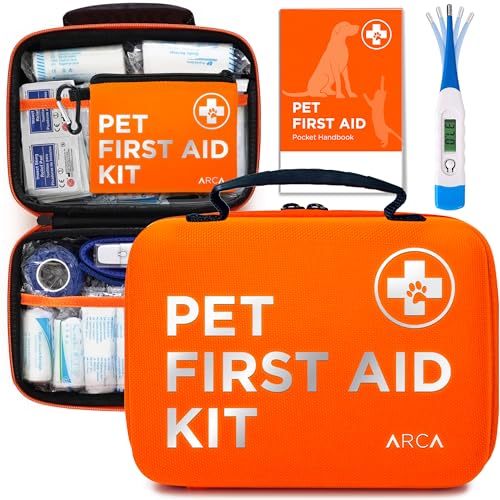
Understanding When to Call the Vet After Dogs Eat Human Food
Knowing when to call the vet after your dog eats human food is crucial for their health and safety. In many cases, consuming small amounts of safe human food may not pose a risk, but certain foods can be toxic or harmful to dogs.
Disclosure: As an Amazon Associate I earn from qualifying purchases.

If your dog has ingested something questionable, it’s essential to assess the situation carefully. Monitor your dog for any signs of distress or unusual behavior, and don’t hesitate to contact your veterinarian if you have any doubts.
Why This Matters
Understanding the implications of your dog eating human food is vital for pet owners. Many common human foods can be toxic to dogs, leading to serious health issues or even death. Being informed can help you act quickly and potentially save your dog’s life.
Moreover, knowing the signs of distress can provide peace of mind. It ensures that you are prepared to take action when necessary, avoiding unnecessary panic and confusion during an emergency.
Key Benefits
There are several benefits to being proactive about your dog’s diet and knowing when to contact a vet. First, it helps prevent health complications that can arise from consuming harmful foods. Second, it fosters a better understanding of your dog’s dietary needs, leading to a healthier lifestyle.
Additionally, being informed can enhance your bond with your pet. When you are attentive to their health and well-being, you show your dog that you care, which can improve their overall happiness and behavior.
Common Drawbacks & Limitations
While being proactive is essential, there are some drawbacks to consider. For instance, frequent vet visits can lead to increased stress for both you and your dog. Overreacting to every instance of human food consumption may also lead to unnecessary anxiety.
Moreover, not all human foods have clear symptoms associated with their consumption. This ambiguity can make it challenging to determine when to seek help, adding to your stress as a pet owner.
What to Look For (Buyer’s Checklist)
When assessing whether to call the vet after your dog eats human food, keep an eye out for the following symptoms:
- Vomiting or diarrhea
- Lethargy or unusual behavior
- Excessive drooling
- Difficulty breathing
- Signs of pain or discomfort
Additionally, consider the type of food consumed. Foods like chocolate, grapes, onions, and garlic are particularly dangerous for dogs. If you suspect your dog has eaten any of these, it’s wise to contact your veterinarian immediately.
How to Choose for Your Situation
Choosing whether to call the vet depends on several factors. First, evaluate the type of human food your dog has consumed. If it is known to be toxic, seek veterinary assistance right away.
Next, consider your dog’s size and health history. Smaller dogs or those with pre-existing health conditions may be more vulnerable and require immediate attention. Finally, trust your instincts. If you feel something is off, it’s better to err on the side of caution.
Care, Safety, and Longevity Tips
To prevent future incidents, establish clear guidelines for your dog’s diet. Avoid giving them human food as treats, and stick to specially formulated dog treats instead. Educate yourself about common household foods that are harmful to dogs, and ensure everyone in your household is aware of these restrictions.
Regular vet check-ups can also contribute to your dog’s longevity. Keeping up with vaccinations and health screenings will help you catch any potential issues early, allowing for a longer, healthier life for your furry friend.
Recommended Picks
When considering safe treats for your dog, look for options that are specifically designed for canine consumption. Products like natural dog treats made from wholesome ingredients are great choices. Additionally, many brands offer training treats that are low-calorie and formulated to be safe for dogs.
While exploring dietary options, consider products that offer high nutritional value without harmful additives. This will ensure your dog enjoys their treats while maintaining optimal health.
FAQ
1. What should I do if my dog eats something toxic?
Immediately contact your veterinarian or an emergency animal clinic. Provide them with details about what your dog consumed and any symptoms they are showing.
2. How can I tell if my dog is having a reaction to human food?
Look for signs like vomiting, diarrhea, lethargy, excessive drooling, or difficulty breathing. If you notice any of these symptoms, seek veterinary help.
3. Are there any human foods that are safe for dogs?
Some human foods are safe for dogs in moderation, such as plain cooked chicken, carrots, and pumpkin. Always check with your vet before introducing new foods.
4. How can I prevent my dog from eating human food?
Train your dog to avoid begging for food and keep human food out of reach. Consistent training and reinforcement can help them understand boundaries.
5. When is it necessary to take my dog to the vet after eating human food?
If your dog consumes a known toxic food, shows any signs of distress, or if you are uncertain about the safety of what they ate, it’s best to consult your veterinarian.

Conclusion
Understanding when to call the vet after your dog eats human food is crucial for their health and safety. Being informed about the risks and recognizing symptoms can help you act swiftly in an emergency. By taking preventive measures and educating yourself on safe practices, you can ensure a happy and healthy life for your furry companion.